Spotting a tiger in the wild is one of the most thrilling moments any wildlife lover can experience. And when it comes to tiger sightings, Tadoba Tiger Reserve in Maharashtra stands tall as one of India’s most reliable destinations. But like any wildlife experience, sightings depend on timing, patience, and a bit of strategy.
Whether you’re visiting for the first time or returning for another adventure, this guide will help you boost your chances of spotting the majestic big cats in Tadoba—without disturbing their natural habitat.
1. Choose the Right Safari Zones
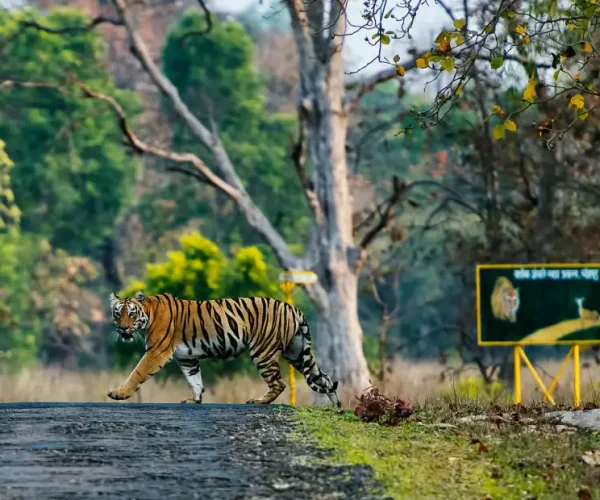
Tadoba has multiple zones, and each one offers something different. While tigers roam freely across the reserve, sightings are often higher in specific areas. Zones like Moharli, Kolara, Pangdi, Zari, and Navegaon have historically recorded excellent sightings.
If you want to maximize your chances, plan safaris across different zones instead of repeating only one. Tigers move based on water, prey, and territory—so diversifying your routes increases the probability of crossing paths with one.
2. Pick the Best Timing — Morning or Evening?
Both safaris offer unique experiences:
- Morning Safari
- Higher chances of tigers moving along trails
- Cooler temperature keeps animals active
- Ideal lighting for photography
- Evening Safari
- Tigers come out near waterholes
- Softer light makes sightings magical
- More movement as temperatures drop
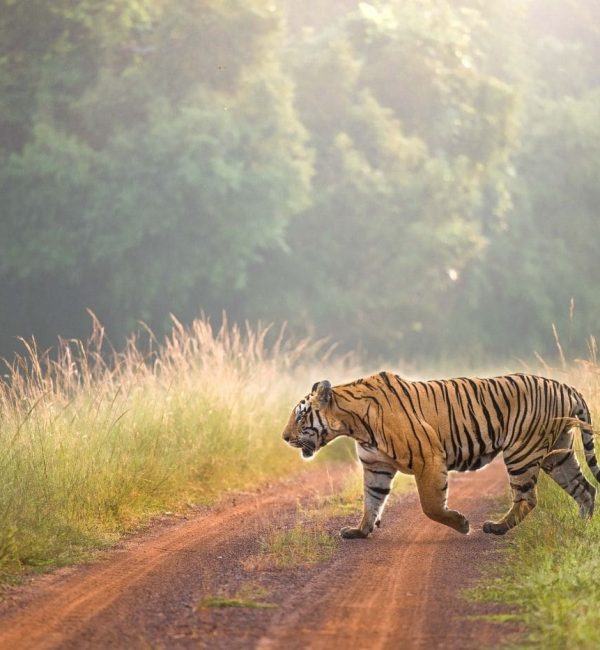
For the best results, book at least one morning and one evening safari. Tigers are unpredictable—multiple safaris increase your odds significantly.

3. Book Multiple Safaris
If tiger sighting is your top priority, one safari is rarely enough. Most travelers who spot tigers do at least 3–4 safaris over two days.
Why?
Because each safari is different — sometimes you follow alarm calls, sometimes you track pugmarks, and sometimes the forest surprises you completely.
Think of it like increasing your lottery chances…
More safaris = More opportunities.
4. Trust the Forest Signals
Your naturalist will help you understand the jungle’s language:
- Alarm calls from deer and langurs
- Pugmarks and scat on trails
- Bird behavior changing suddenly
- Movement sounds from tall grass
These signs help identify where a tiger has passed or is currently resting. Stay silent, stay alert, and let the forest guide your journey.


5. Visit During Tiger-Active Seasons
Although Tadoba is open most of the year, some seasons offer better visibility:
Summer (March–June) : Most reliable for sightings as tigers visit waterholes frequently.
Winter (November–February) : Great weather, but slightly dense foliage. Tigers remain active in the early morning.
Post-Monsoon (October) : Lush green forests look stunning, but spotting can be challenging.
If tiger sightings are your priority, summer is your best chance.
6. Keep Your Eyes Trained
Many first-time visitors only look straight ahead. But sightings often happen:
- In the bushes beside the trail
- On elevated mounds
- Near watering points
- Along the shade of bamboo trees
- On open grasslands
Scan the forest slowly and continuously—you’re more likely to catch movement before anyone else does.
7. Choose the Right Stay — Closer to the Safari Gates
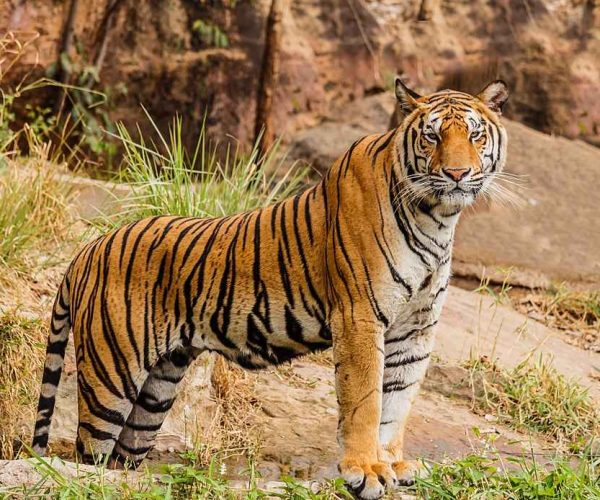
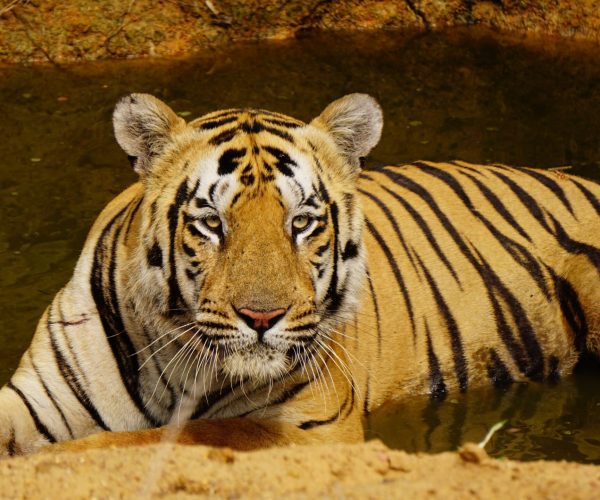
Where you stay can influence your safari experience. A lodge near the gate saves time, reduces travel stress, and helps you enter early — increasing your chances of spotting wildlife.
If you’re planning to stay near the Navegaon Gate, Tiger Wilderness Lodge offers the perfect blend of comfort and wilderness. Surrounded by forest landscapes, it provides a peaceful stay, expert safari planning, and warm hospitality—ideal for wildlife lovers looking for convenience and closeness to the reserve.
Always Stay Patient
Even the most seasoned photographers and wildlife experts wait hours for a sighting. Tigers are majestic but also elusive.
Patience is not just helpful — it’s essential.
Relax, enjoy the forest sounds, breathe in the fresh air, and let the jungle work its magic.
🌟 Final Thoughts
Spotting a tiger in Tadoba is never guaranteed — and that’s what makes the experience so special. But with the right planning, timing, and understanding of tiger behavior, you can significantly improve your chances.
So pack your binoculars, charge your cameras, and get ready for a thrilling adventure in one of India’s finest tiger reserves.